
The Basics of One-Way Streets: What You Need to Know for Safe Driving
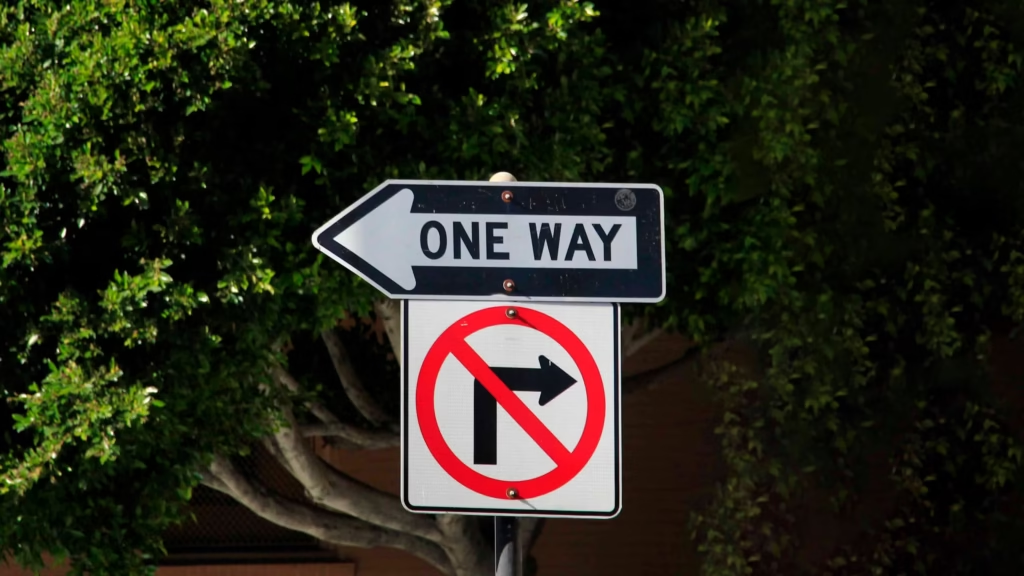
Navigating one-way streets can be a perplexing task for many drivers, especially those who are unfamiliar with urban areas where these streets are prevalent. Whether you are a seasoned driver or a novice behind the wheel, understanding the fundamentals of one-way streets is essential for safe and efficient driving. This comprehensive guide will delve into the rules, safety practices, challenges, and solutions associated with one-way streets. We’ll explore real-life case studies and provide actionable tips to ensure your journey remains accident-free.
Table of Contents
Introduction to One-Way Streets
One-way streets are roads where vehicles can travel in only one direction. These streets are commonly found in city centers and densely populated urban areas, where they help manage traffic flow and reduce congestion. However, they can be daunting for drivers unfamiliar with their layout.
Why One-Way Streets Exist
The primary purpose of one-way streets is to:
- Enhance traffic flow in crowded areas.
- Simplify intersections and reduce conflicting traffic movements.
- Create space for on-street parking or wider sidewalks.
- Minimize the risk of head-on collisions.
Despite these advantages, one-way streets can pose significant challenges if drivers are unaware of their specific rules and indicators.
Understanding the Rules of One-Way Streets
To drive safely on one-way streets, it’s crucial to adhere to the following rules:
1. Follow Lane Designations

One-way streets often have multiple lanes, each with a specific purpose:
- Left Lane: Reserved for left turns or overtaking.
- Right Lane: Used for right turns or slower-moving vehicles.
- Middle Lanes: Intended for straight-through traffic.
2. Obey Traffic Signs
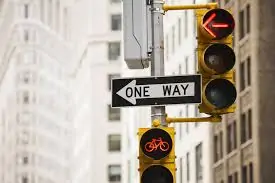
One-way streets are marked with clear signs to guide drivers:
- “One-Way” Signs: Indicate the direction of traffic.
- “Do Not Enter” Signs: Warn drivers against entering from the wrong direction.
- Directional Arrows: Painted on the pavement to reinforce the traffic flow.
3. Use the Correct Lane for Turns
- Left Turns: Always turn left from the far-left lane.
- Right Turns: Turn right from the far-right lane.
Improper lane usage for turns is one of the leading causes of accidents on one-way streets.
Identifying One-Way Streets
Recognizing one-way streets is vital for avoiding errors. Here are some telltale signs:
1. Pavement Markings
- White lane markings separate traffic lanes on one-way streets, unlike the yellow lines on two-way streets.
2. Parked Vehicles
Observe parked cars. If vehicles are parked on both sides of the street facing the same direction, it’s likely a one-way street.
3. Street Signs
Pay attention to traffic signs. If you see signs facing away from you, it may indicate you’re driving the wrong way.
Safety Challenges on One-Way Streets
One-way streets come with unique challenges, including:
1. Wrong-Way Driving
Wrong-way driving occurs when a vehicle enters a one-way street from the opposite direction. This is one of the most dangerous scenarios and can lead to severe accidents.
Case Study: Wrong-Way Driving Accident
In 2019, a driver in downtown Chicago mistakenly entered a one-way street in the wrong direction, causing a head-on collision. Investigations revealed that the driver failed to notice the “Do Not Enter” sign due to poor visibility. This case underscores the importance of signage clarity and driver vigilance.
2. Improper Turns
Improperly executed turns, such as turning left from the middle lane, can result in side-swipe collisions or block traffic.
3. Navigational Confusion
For drivers relying on GPS, outdated or incorrect navigation data can lead to confusion, especially in areas with frequent street layout changes.
Practical Tips for Driving Safely on One-Way Streets
1. Plan Your Route
Before embarking on a journey, especially in urban areas, use updated maps to familiarize yourself with potential one-way streets.
2. Stay Observant
- Look for one-way street indicators such as signs, parked vehicles, and pavement markings.
- Watch for pedestrian activity; jaywalking is more common on one-way streets.
3. Signal in Advance
Use your turn signals early to indicate lane changes or upcoming turns.
4. Avoid Sudden Lane Changes
Sudden lane changes can confuse other drivers and increase the likelihood of accidents.
Role of Technology in Navigating One-Way Streets
Modern technology has made it easier to navigate one-way streets safely. Here’s how:
1. GPS and Navigation Systems
Advanced navigation tools can alert drivers to one-way streets and suggest appropriate routes.
2. Driver Assistance Systems
Features like lane-departure warnings and blind-spot monitoring are particularly helpful for identifying hazards on one-way streets.
Case Study: ADAS Success in Urban Navigation
A fleet vehicle equipped with an advanced driver-assistance system (ADAS) successfully avoided a collision in New York City by alerting the driver to an improperly executed lane change on a one-way street. This incident highlights the value of modern technology in promoting road safety.
Training Drivers for One-Way Street Navigation
1. Educate New Drivers
Driver education programs should include specific modules on navigating one-way streets, emphasizing:
- Sign recognition.
- Proper lane usage.
- Defensive driving techniques.
2. Conduct Simulations
Use driving simulators to replicate real-world scenarios involving one-way streets.
Case Study: Fleet Management and One-Way Street Safety
A logistics company in Los Angeles faced frequent accidents involving its fleet drivers on one-way streets. By implementing mandatory training sessions and equipping vehicles with real-time navigation systems, the company reduced such incidents by 30% within a year.
Responding to Wrong-Way Driving Scenarios
If you find yourself driving the wrong way on a one-way street:
- Stay Calm: Avoid sudden movements.
- Pull Over: Move to the side of the road to avoid oncoming traffic.
- Signal Intentions: Use hazard lights to alert other drivers.
- Correct the Mistake Safely: Turn around at the next intersection or find an alternate exit.
The Environmental and Economic Benefits of One-Way Streets
1. Reduced Congestion
One-way streets streamline traffic flow, leading to fewer delays and improved fuel efficiency.
2. Enhanced Pedestrian Safety
With traffic moving in a single direction, pedestrians face fewer risks when crossing.
Mastering the Basics of One-Way Streets
One-way streets are integral to urban traffic management, offering numerous benefits but also presenting unique challenges. By understanding their rules, recognizing indicators, and employing modern technology, drivers can navigate these streets safely and confidently.
Whether you’re a fleet manager, a seasoned driver, or someone new to driving, this guide equips you with the knowledge needed to tackle one-way streets effectively. By fostering awareness and prioritizing safety, we can make our roads safer for everyone.

Latest Posts:
- Cashable Uk Bitcoin Casino Free Spins
- Totogaming Casino Cashback Bonus 2026 Uk How To Get Money Back
- Best Boku Casino Existing Customers Bonus Uk
- Best Usdt Casino Refer A Friend Casino Uk
- 5p Fruit Machines Online Uk
- Aud 1000 No Deposit Sign Up Bonus Mobile Casino Uk
- Best Cardano Casino Sites
- Sic Bo Online Free Spins Uk
- Deposit 10 Play With 20 Online Blackjack Uk
- What Online Slots Pay Out Real Money
 Ryan Carter
 Henry Porter
  Megan Ross
  Jamal Uddin
  Olivia Brooks
  Travis
  Laura Bennett
  Israr
Israr  Emily Cooper
  Salman Haider
  Rafiq Ahmed
  Jessica Turner


24 Responses
Very useful article for new fleet drivers navigating busy urban routes.
Thanks for your comment!
Good reminder: parked cars facing one direction are an easy clue for one-way streets.
Well Said!
One-way streets make traffic smoother, but only if drivers stay alert to signs.
Agree!
The ADAS example was interesting — shows how tech can prevent serious accidents.
True!
Very practical advice on what to do if you accidentally enter the wrong direction.
Indeed!
Defensive driving tips for one-way streets are often overlooked — glad to see them here.
Thanks for your comment!
The section on driver training is key — most people don’t fully understand lane-use rules.
Agree!
Good reminder to signal early and plan lane changes in advance — prevents confusion.
Indeed!
Using GPS and ADAS for safer navigation is such a smart recommendation.
Indeed!
I like that the article highlights pavement arrows — drivers often forget to use them.
Happy to know that!
Great point about paying attention to “Do Not Enter” signs — wrong-way driving is extremely dangerous.
Thanks for your comment!
Really helpful breakdown — I didn’t realize how important lane designations are on multi-lane one-way streets.
Hope it has helped you!