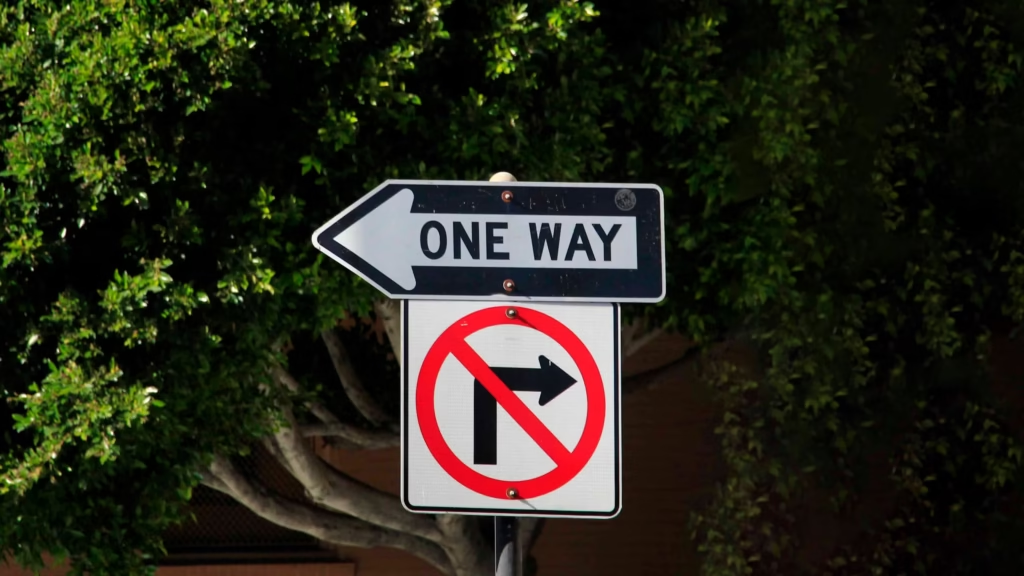
How to Correctly Turn From a One-Way Street: A Step-by-Step Guide for Safe Driving

one-way street rules

Turning from a one-way street requires awareness of the road’s layout and adherence to traffic rules to ensure safety and compliance. Mistakes while turning from a one-way street can lead to accidents, traffic violations, or confusion among other drivers. This guide explains the correct procedures and best practices for making safe left or right turns from a one-way street.

Table of Contents

Understanding the Rules for Turning From a One-Way Street

When driving on a one-way street, the key to safe turning is using the appropriate lane for your intended direction. These general rules apply:

  1. For a Right Turn: Turn from the rightmost lane into the rightmost lane of the destination street.
  2. For a Left Turn: Turn from the leftmost lane into the leftmost lane of the destination street.
  3. Avoid Turning From the Middle Lane: The center lane is typically reserved for vehicles traveling straight. Turning from this lane can cause collisions with vehicles traveling in adjacent lanes.
  4. Obey Lane-Specific Signs or Markings: Some one-way streets have signs or pavement markings specifying which lanes can be used for turning or traveling straight. Always follow these indicators.

Are you aware of The Basics of One-Way Streets? Check the basics from here.
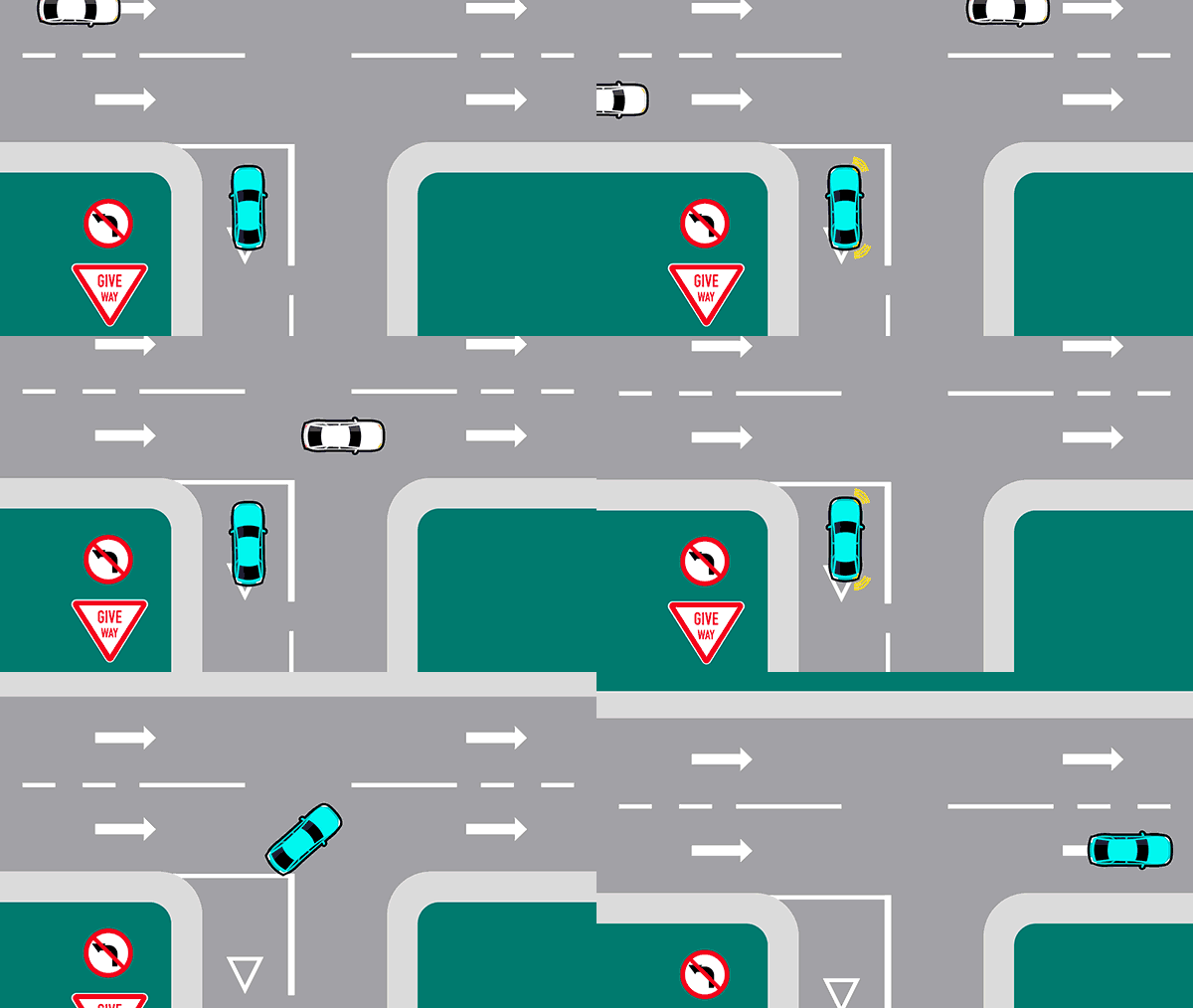
Step-by-Step Guide: Making a Right Turn From a One-Way Street

Turrning into oneway Streets

1. Position Your Vehicle in Advance:

  • Move into the rightmost lane at least 100-200 feet before the turn.
  • Use your mirrors and check blind spots to ensure the lane is clear.

2. Signal Your Intentions:

Activate your right turn signal well before the turn to alert other drivers and pedestrians.

3. Check for Pedestrians and Cyclists:

Look out for pedestrians in crosswalks and cyclists on the side of the road.

4. Turn Smoothly:
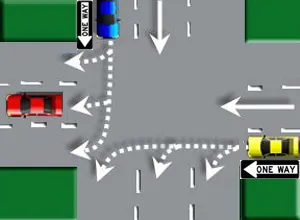
  • Maintain a controlled speed as you turn into the rightmost lane of the new street.
  • Avoid cutting across multiple lanes, as this may confuse or endanger other drivers.

Step-by-Step Guide: Making a Left Turn From a One-Way Street

Making a left Turn From a One-Way Street
  • Position Your Vehicle:

    • Move into the leftmost lane ahead of time, ensuring it is designated for left turns.
  • Signal Your Intentions:
    • Turn on your left turn signal at least 100 feet before the intersection.
  • Yield to Oncoming Traffic and Pedestrians:
    • Oncoming traffic may include vehicles traveling on a two-way cross street.
    • Watch for pedestrians crossing the street into which you are turning.
  • Execute the Turn:
    • Turn into the leftmost lane of the destination street.
    • Avoid swinging wide into other lanes or cutting corners.

Special Considerations for Turning From One-Way Streets

1. Multi-Lane One-Way Streets

    • Ensure you’re in the correct lane for turning. Larger intersections may have dedicated turning lanes marked with arrows.
    • In some cases, traffic lights or signs will direct vehicles from multiple lanes to turn into specific lanes.

2. Right Turns on Red

    • Many states allow right turns on red lights unless explicitly prohibited by a sign.
    • Before turning, stop completely and ensure the way is clear of vehicles and pedestrians.

3. Turning Into Another One-Way Street

  • When turning from one one-way street to another, make sure to position your vehicle correctly.
    • For a right turn, stay in the rightmost lane.
    • For a left turn, stay in the leftmost lane.

4. Large or Long Vehicles

  • If driving a truck or other large vehicle, take extra care to avoid clipping curbs or other vehicles while making wide turns. Signal earlier to give other road users time to adjust.

Common Mistakes to Avoid When Turning

1. Turning From the Wrong Lane:

  • Turning from the middle lane or the incorrect edge lane can lead to collisions or near misses.

2. Failing to Signal:

    • Not using your turn signal can surprise other drivers and increase the risk of an accident.

3. Cutting Across Multiple Lanes:

  • This is especially dangerous when other vehicles are traveling in adjacent lanes.

4. Neglecting Pedestrian Crosswalks:

  • Always check for pedestrians before completing your turn.

Tips for Safe and Confident Turns From One-Way Streets

  • Practice Defensive Driving: Anticipate the actions of other drivers, especially in busy urban areas.

  • Stay Observant: Pay attention to lane markings, signs, and other indicators that help guide your turns.

  • Use Mirrors and Blind Spot Checks: Before turning, always check for vehicles, cyclists, or pedestrians in your blind spots.

  • Follow Local Traffic Laws: Traffic rules for turning vary by location. Familiarize yourself with the laws in your area.

Technology and Tools to Assist Drivers

Modern vehicles often include features that can help with safe turns:

  • Blind Spot Monitoring: Alerts you to vehicles in adjacent lanes before you turn.
  • Lane-Keeping Assist: Helps ensure your vehicle stays in the proper lane.
  • Rear-View and Side Cameras: Provide enhanced visibility for safe maneuvering.

Case Study: Avoiding Collisions During Turns on One-Way Streets

Scenario: A fleet driver in New York City attempted to turn left from the center lane of a one-way street, colliding with a vehicle in the adjacent lane.

What Went Wrong:

  • The driver failed to move to the appropriate lane before the turn.
  • A lack of proper signaling confused the other driver, leading to the collision.

Lesson: Fleet managers implemented additional training emphasizing the importance of lane positioning and signaling, reducing similar incidents by 25%.

Turning from a one-way street is a fundamental driving skill that requires attention to detail, adherence to traffic rules, and proactive decision-making. By understanding proper lane usage, practicing defensive driving, and staying vigilant, drivers can navigate one-way streets confidently and safely.

Encourage all drivers to master these techniques and share this guide with others to promote safer roads for everyone.

Tags: Turning from a one-way street, Step-by-step driving guide, Safe driving techniques, One-way street rules, driver safety tips, traffic navigation, turning safely, driving education.

2 Responses

  1. Great guide! As someone who drives a delivery van daily, the tips on yielding to oncoming traffic during left turns from one-way streets saved me from a close call last week. One question: For right turns on red in busy urban areas with heavy pedestrian traffic, how far back should you really stop to check for clearance? The article mentions a full stop, but any specific distance or extra precautions for larger vehicles? Thanks for the practical advice—it’s making city driving less stressful!

    1. Hi John,
      Thanks for the kind words and for sharing your real-world experience—it’s feedback like yours that keeps us refining these guides! For right turns on red in high-pedestrian zones, the key is a complete stop behind the stop line (typically 10–15 feet from the crosswalk to give you a clear view). Scan left-to-right across the intersection, then check for pedestrians/cyclists approaching from the right (your blind spot). For larger vehicles like vans, add an extra 5–10 feet buffer if possible, and use your mirrors or even crack the door for a better angle. If visibility is blocked (e.g., by parked cars), it’s safer to wait for a green light. Local laws vary, so always defer to signs—our Fleet Safety Training course dives deeper into this for pros like you. Safe travels!
      Best,
      Rabius Sany

Leave a Reply

Your email address will not be published. Required fields are marked *

logo

BOOK YOUR VIP SEAT FOR FREE!

Transportation Information System will be exhibiting at the California Trucking Show

Make sure to find us at Booth No. 424

Scan or click the QR code below to register as a VIP visitor to the show